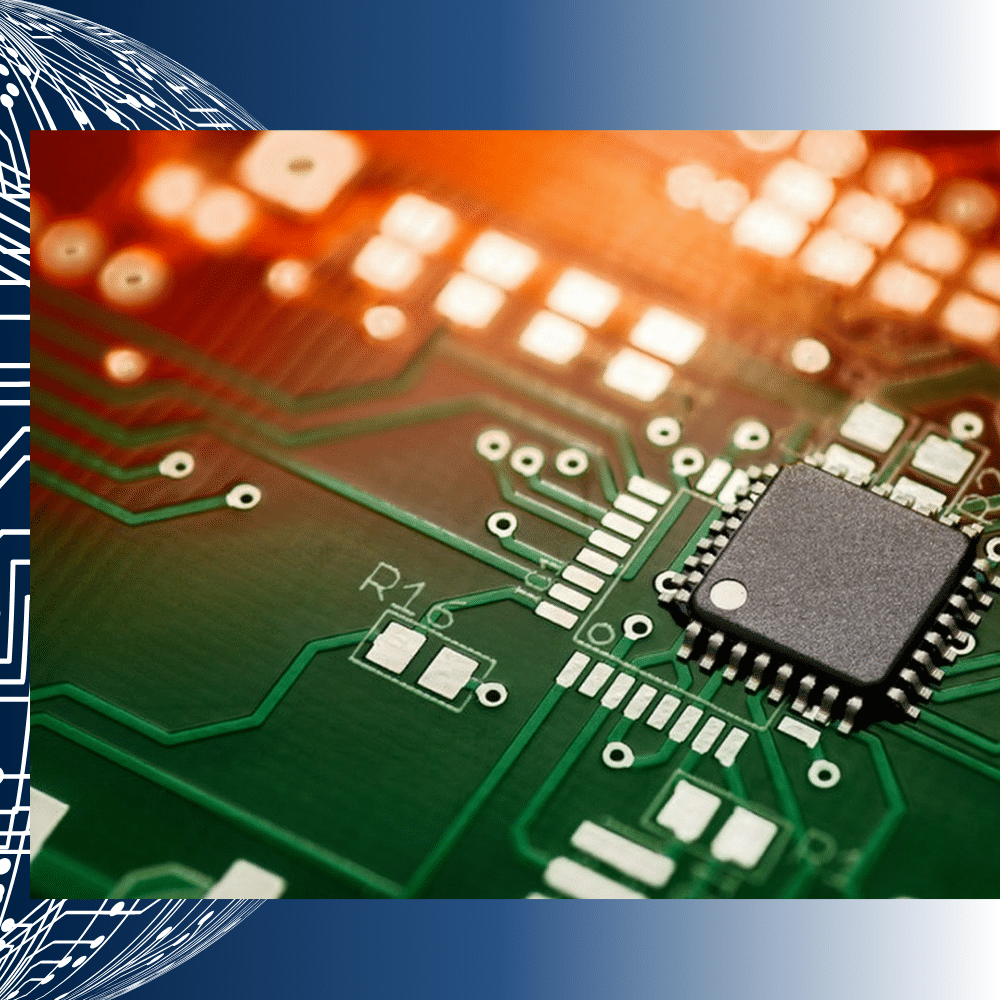

India’s semiconductor ambitions are creating new opportunities – here’s how global firms can plug in.
India’s semiconductor industry is no longer an aspiration – it’s a national priority.
With a series of government-backed incentives, international partnerships, and a growing talent base, India is positioning itself as the next major node in the global semiconductor supply chain.
For global electronics, chip design, and manufacturing firms, this isn’t just an opportunity – it’s a moment of strategic alignment.
The Policy Push Behind the Silicon Shift
The Indian government has approved semiconductor projects worth over $15 billion under the India Semiconductor Mission (ISM), aimed at reducing dependence on imports and developing a complete domestic chip ecosystem.
Recent developments include:
- Micron’s $2.75 billion assembly and test facility in Gujarat, already under construction.
- Tata Electronics launching its semiconductor fabrication project in Dholera.
- Strategic partnerships with countries such as the US, Japan, and Taiwan to accelerate technical know-how and supply chain integration.
This momentum is supported by fiscal incentives under the Modified Programme for Semiconductors and Display Fab Ecosystem, offering up to 50% capital support for approved projects.
The Supply Chain Opportunity
Unlike mature chip hubs that focus on wafer fabrication, India’s early-stage advantage lies in its supply chain depth.
The ecosystem includes:
- Chip Design & R&D Centers – leveraging India’s engineering talent base.
- Assembly, Testing, and Packaging (ATMP) – growing rapidly with government support.
- Equipment & Component Suppliers – the next wave of foreign investment.
- Raw Material & Chemical Providers – a crucial area for global entrants.
States such as Tamil Nadu, Gujarat, and Karnataka have launched semiconductor and electronics cluster initiatives, offering infrastructure, logistics, and policy incentives for new entrants.
Why Global Players Are Looking to India
Three factors make India uniquely positioned to become a global semiconductor hub:
- Strategic Geography – India sits between major chip consumers (Asia-Pacific) and Western technology markets.
- Engineering Talent – Over 20% of the world’s chip design engineers are based in India.
- Government Incentives – Simplified approvals, fiscal subsidies, and land support are reducing entry barriers for new investors.
For international players, this combination offers both manufacturing scale and design capability within a stable political and economic framework.
Challenges Still Exist – and How to Navigate Them
Despite its promise, India’s semiconductor ecosystem remains in the early stages.
Foreign companies must prepare for:
- Regulatory Complexity – navigating FDI norms, state-level policies, and environmental clearances.
- Supply Chain Coordination – aligning with Indian vendors still scaling quality and volume.
- Skilled Workforce Demand – bridging the gap between design expertise and fab-level skillsets.
Establishing partnerships with local engineering firms, research institutions, and logistics providers will be key to long-term success.
How Traecit Consulting Supports Semiconductor Entrants
At Traecit Consulting, we help global manufacturing and technology companies navigate India’s evolving semiconductor landscape.
Our services include:
- Market entry and feasibility assessments.
- FDI and regulatory compliance under the India Semiconductor Mission framework.
- Entity setup, taxation, and workforce onboarding.
- Strategic partnerships with state clusters and industry stakeholders.
India’s semiconductor journey is still unfolding — and those who enter early stand to shape it.
Partner with Traecit Consulting to establish your semiconductor operations in India with clarity, compliance, and confidence.
#TraecitConsulting #Semiconductors #IndiaMarketEntry #ManufacturingIndia #FDIIndia #TechnologyInvestment