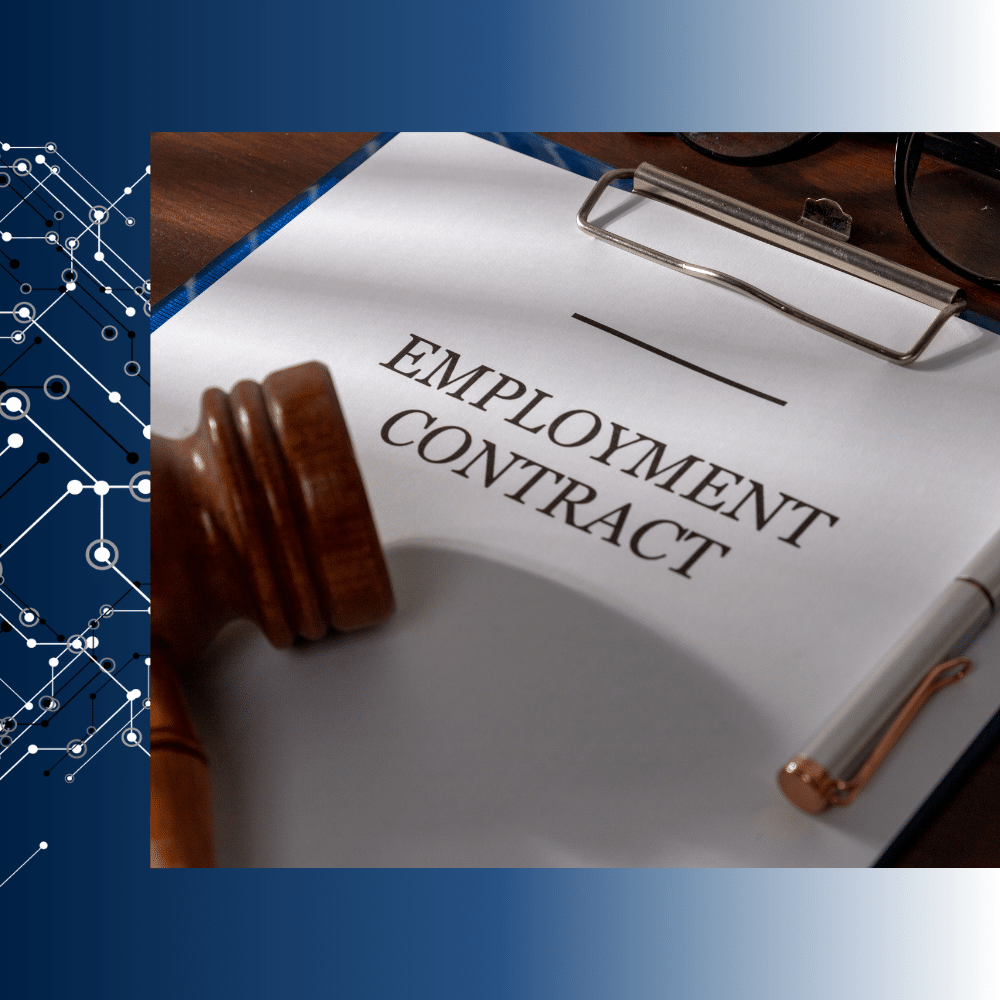

Entering India’s booming market, with its 1.4 billion+ people and deep talent pools in tech, operations, and business services, is one of the most exciting opportunities for global companies today. But before you hire your first Indian employee or set up a local office, you face a crucial foundational decision:
Do you enter via an Employer of Record (EOR) or establish a traditional Indian entity?
This choice affects speed, compliance, risk, cost, and scalability, and the right answer depends on your stage, appetite for risk, and long-term vision for India.
Why the entry model matters in the early stage?
Early India expansion typically begins with limited headcount, evolving timelines and leadership teams operating from outside the country. At this stage, businesses are still validating talent availability, operational feasibility, and long-term intent. The structure chosen must therefore support speed and flexibility without exposing the organisation to unnecessary compliance risk.
India’s employment landscape is complex and multi layered. Labour laws operate at both central and state levels and cover wages, social security contributions, leave entitlements, termination processes, and reporting requirements. Further, the implementation of India’s new labour codes is expected to increase manpower and compliance costs by approximately 5 to 15 percent across sectors, as reported by the Times of India.
For first-time entrants, these factors make the choice of entry model especially important.
Key comparison: EOR vs traditional setup
1. Speed to market
- EOR: Hiring can begin in weeks. No incorporation, no local registrations.
- Traditional setup: Incorporation, bank accounts and registrations can take several months.
2. Compliance complexity
India’s labour framework spans central and state-level laws covering wages, social security, leave, termination and reporting.
- EOR: Compliance risk is largely managed by the provider.
- Traditional setup: You own compliance fully, including penalties for errors.
3. Cost structure
- EOR: Higher per-employee cost but low upfront investment.
- Traditional setup: Lower long-term per-employee cost but significant setup, advisory and ongoing compliance expenses.
4. Flexibility and exit
- EOR: Easier to scale up, pause or exit the market.
- Traditional setup: Exiting involves legal, tax and employment closures.
5. Control and permanence
- EOR: Less suitable for regulated industries or revenue-generating operations.
- Traditional setup: Required once operations become strategic, permanent or customer-facing.
When EOR makes sense for early India entry
An EOR model works best when:
- India is a test market or talent hub
- Headcount is expected to grow gradually
- Leadership wants speed without compliance distraction
- The India plan may evolve or pivot
- You want real-world operating insight before committing capital
For many global organisations, EOR acts as a low-risk bridge into India.
The Traecit perspective: start lean, scale with clarity
At Traecit, we see early India entry fail not because of market potential, but because compliance and structural decisions are made too early or too late.
Our advisory approach helps organisations:
- Assess EOR vs entity readiness realistically
- Understand India-specific employment and regulatory exposure
- Design a phased entry model that balances speed, risk and cost
- Plan smooth transitions from EOR to entity without disruption
To put in a nutshell,
There is no one-size-fits-all answer. But for early-stage India entry, an Employer of Record often provides the fastest, safest and most flexible start. A traditional setup makes sense once intent, scale and permanence are clear.
Effective India market entry is best approached through a phased structure aligned to business maturity and risk tolerance. If you are evaluating how to enter India with confidence, Traecit can help you structure the right model at the right time. Learn more at https://traecit.com/consulting/